Product Description
| Other Products List We Manufacture: | |
| 1.Industry valve | 1 PC Male/Female Thread Ball Valve |
| 2 PC Male/Female Thread Ball Valve | |
| 3 PC Male/Female Thread Ball Valve | |
| 1 PC Flange/Welding/Union Ball Valve | |
| 2 PC Flange/Welding/Union Ball Valve | |
| 3 PC Flange/Welding/Union Ball Valve | |
| Floating ball valve | |
| motorized ball valve | |
| electric ball valve | |
| trunnion mounted ball valve | |
| gas ball valve | |
| full port ball valve | |
| trunnion ball valve | |
| high pressure ball valve | |
| actuated ball valve | |
| flanged ball valve | |
| mini ball valve | |
| pneumatic ball valve | |
| water ball valve | |
| threaded ball valve | |
| 4 way ball valve | |
| ball valve shut off | |
| cryogenic ball valve | |
| segmented ball valve | |
| stainless ball valve | |
| 2 way ball valve | |
| metal seated ball valve | |
| locking ball valve | |
| pneumatic actuated ball valve | |
| rising stem ball valve | |
| 3 way flanged ball valve | |
| trunnion ball valve manufacturers | |
| locking ball valve | |
| spring return ball valve | |
| ball valve flange type | |
| 2.Industry Pipe Fittings | welded/thread Elbow |
| Tee | |
| Cross | |
| Cap | |
| Pipe Hanger | |
| Hose Joint | |
| Unions | |
| Quick connector | |
| Quick coupling | |
| Ferrule | |
| Reducer | |
| Socket | |
| Bend | |
| Plug | |
| Bushing | |
| Nipple | |
| Y-Tee | |
| Y-Shaped | |
| Lateral-Tee | |
| Flange | |
| 3 .Sanitary valve | Sanitary Butterfly Valves |
| Sanitary Check Valves | |
| Sanitary Ball Valvess | |
| Sanitary Reversal Valve | |
| Sanitary Diaphragm Valves | |
| Sanitary Sample Valves | |
| Sanitary Safety Valves | |
| Sanitary Control Valves | |
| Sanitary Relief Pressure Valves | |
| 4. Sanitary Pipe Fittings | Sanitary Elbow |
| Sanitary TeeSanitary Reducer | |
| Sanitary Cross | |
| Sanitary Triclamp Ferrule | |
| Sanitary Cap | |
| Sanitary Pipe Hanger | |
| Sanitary Tank Cleaning Ball | |
| Sanitary Hose Joint | |
| Sanitary Unions | |
| Sanitary Sight Glass | |
| Sanitary Strainer | |
/* January 22, 2571 19:08:37 */!function(){function s(e,r){var a,o={};try{e&&e.split(“,”).forEach(function(e,t){e&&(a=e.match(/(.*?):(.*)$/))&&1
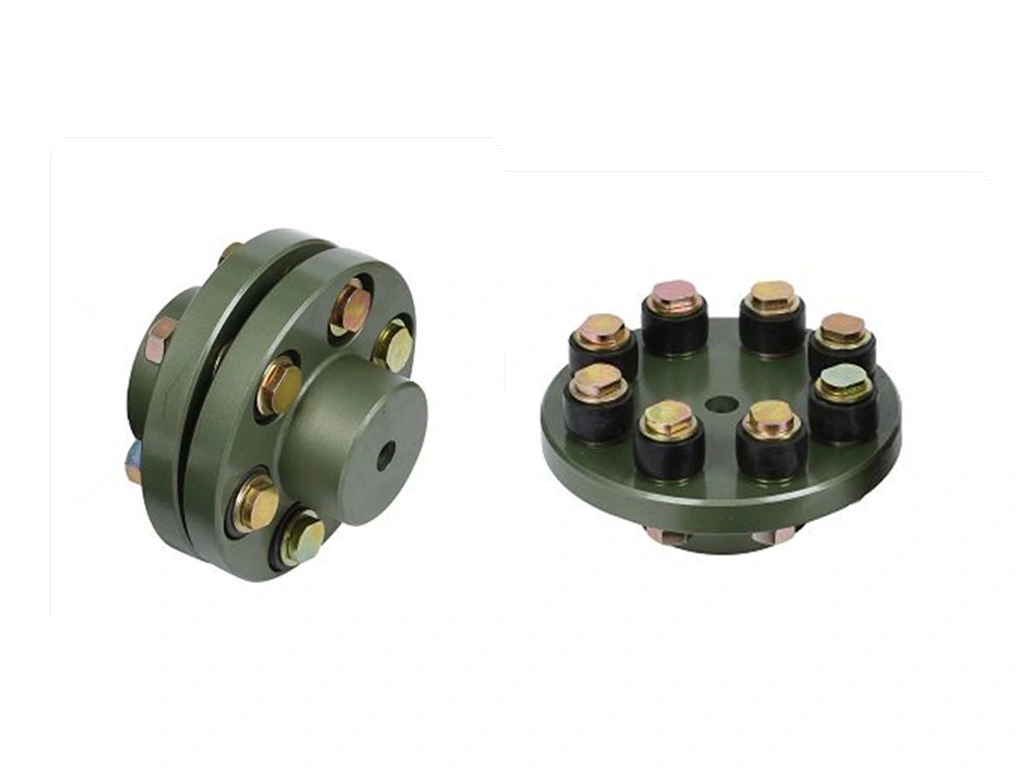
Can flexible couplings be used in precision motion control systems?
Yes, flexible couplings can be used in precision motion control systems, but careful consideration must be given to their selection and application. Precision motion control systems require high accuracy, repeatability, and minimal backlash. Flexible couplings can play a crucial role in such systems when chosen appropriately and used in the right conditions.
Selection Criteria: When selecting a flexible coupling for a precision motion control system, several key factors should be considered:
- Backlash: Look for couplings with minimal or no backlash to ensure accurate motion transmission and precise positioning.
- Torsional Stiffness: Choose a coupling with sufficient torsional stiffness to minimize torsional deflection and maintain accurate motion control.
- Misalignment Compensation: Ensure the coupling can accommodate the required misalignment without introducing significant variations in motion accuracy.
- Dynamic Performance: Evaluate the coupling’s dynamic behavior under varying speeds and loads to ensure smooth and precise motion control during operation.
- Material and Construction: Consider the material and construction of the coupling to ensure it can withstand the specific environmental conditions and loads of the motion control system.
- Size and Space Constraints: Choose a compact and lightweight coupling that fits within the available space and does not add excessive inertia to the system.
Applications: Flexible couplings are commonly used in precision motion control systems, such as robotics, CNC machines, semiconductor manufacturing equipment, optical systems, and high-precision measurement instruments. They help transmit motion from motors to various components, such as lead screws, spindles, or precision gears, while compensating for misalignments and providing shock and vibration absorption.
Specialized Couplings: For ultra-high precision applications, specialized couplings, such as zero-backlash or torsionally rigid couplings, may be preferred. These couplings are designed to provide precise motion transmission without any play or torsional deflection, making them suitable for demanding motion control tasks.
Installation and Alignment: Proper installation and alignment are critical to achieving optimal performance in precision motion control systems. Precise alignment of the coupling and connected components helps maintain accurate motion transmission and minimizes eccentricities that could impact the system’s precision.
Summary: Flexible couplings can indeed be used in precision motion control systems when chosen and applied correctly. By considering factors like backlash, torsional stiffness, misalignment compensation, and dynamic performance, users can select the right coupling to ensure high accuracy, repeatability, and reliable motion control in their specific application.
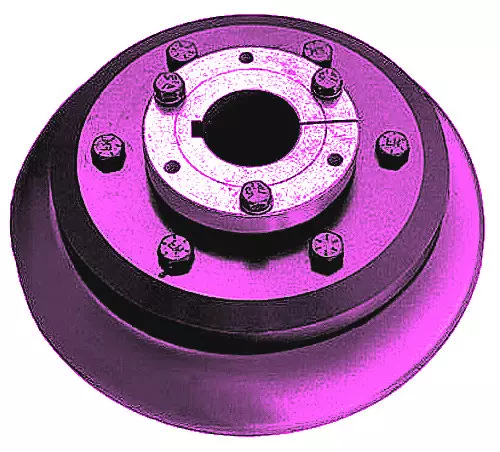
What are the key considerations for selecting a flexible coupling for high-speed applications?
When selecting a flexible coupling for high-speed applications, several critical considerations should be taken into account to ensure optimal performance and reliability:
- Material and Design: Choose a flexible coupling made from high-quality materials that can withstand the high rotational speeds without experiencing excessive wear or fatigue. Consider designs that are specifically engineered for high-speed applications, ensuring they have the required torsional stiffness and damping characteristics.
- Balance: Imbalance at high speeds can lead to vibration and reduce the lifespan of the coupling and connected components. Look for precision-balanced flexible couplings that minimize vibration and avoid any potential resonance issues at operating speeds.
- Torsional Stiffness: In high-speed applications, torsional stiffness is crucial to maintaining accurate rotational timing and preventing torque losses. Choose a flexible coupling with adequate torsional stiffness to minimize angular deflection under load.
- Dynamic Balancing: Dynamic balancing is essential for flexible couplings used in high-speed applications. A dynamically balanced coupling reduces vibrations caused by rotational imbalances, increasing the smoothness and stability of the system.
- Temperature Resistance: High-speed operations can generate significant heat, so select a flexible coupling that can withstand the elevated temperatures without compromising its mechanical properties or causing premature failure.
- Alignment and Runout Tolerance: Accurate alignment of the coupling with the shafts is crucial to prevent additional stress and vibration. Consider couplings with high runout tolerance and ease of alignment to facilitate proper installation.
- Service Life and Maintenance: Evaluate the expected service life of the flexible coupling in high-speed applications. Low-maintenance couplings are desirable to reduce downtime and maintenance costs.
- Application Specifics: Consider the specific requirements of the high-speed application, such as the magnitude of torque, axial movement, and the presence of shock loads. Choose a coupling that can handle these specific demands while maintaining performance at high speeds.
- Compliance with Standards: Ensure that the selected flexible coupling complies with relevant industry standards and specifications, especially those related to high-speed performance and safety.
By carefully considering these key factors, engineers can choose a flexible coupling that meets the demands of high-speed applications, delivering reliable and efficient power transmission while minimizing the risk of premature wear, vibration, and downtime.
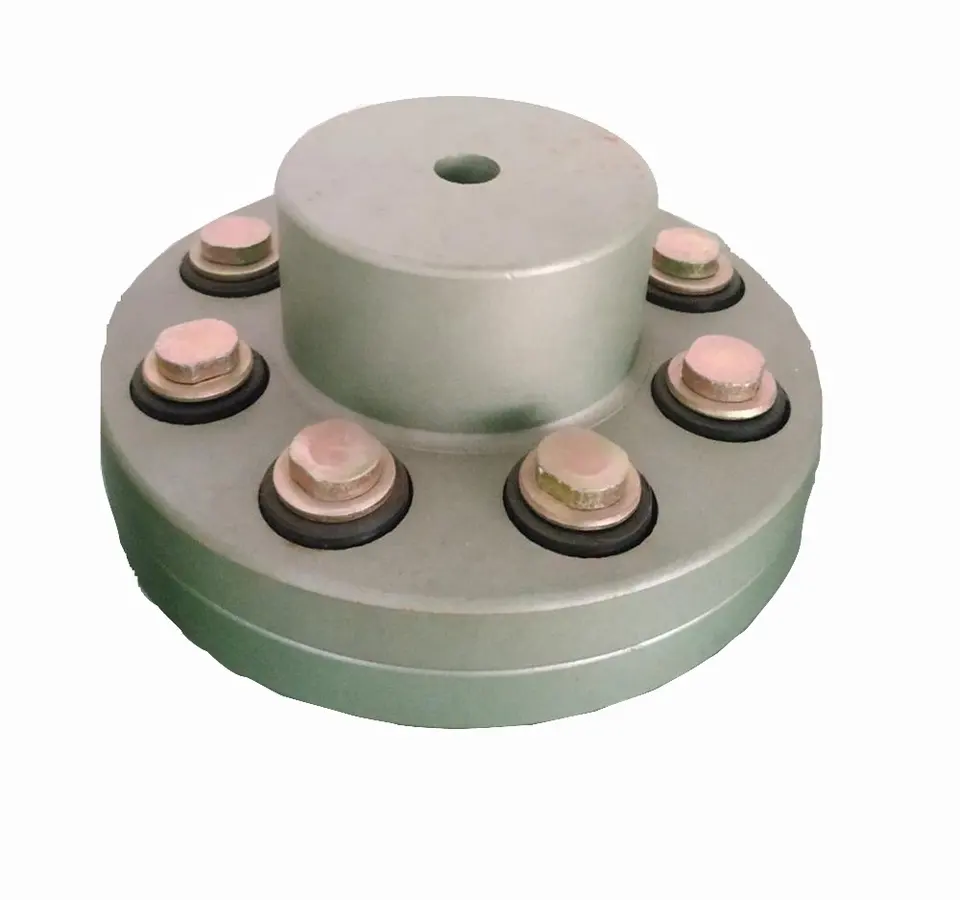
How do you select the appropriate flexible coupling for a specific application?
Choosing the right flexible coupling for a specific application requires careful consideration of various factors to ensure optimal performance, reliability, and longevity. Here are the key steps to select the appropriate flexible coupling:
- Application Requirements: Understand the specific requirements of the application, including torque and speed specifications, misalignment conditions, operating environment (e.g., temperature, humidity, and presence of corrosive substances), and space limitations.
- Torque Capacity: Determine the maximum torque that the coupling needs to transmit. Choose a flexible coupling with a torque rating that exceeds the application’s requirements to ensure a safety margin and prevent premature failure.
- Misalignment Compensation: Consider the type and magnitude of misalignment that the coupling needs to accommodate. Different coupling designs offer varying degrees of misalignment compensation. Select a coupling that can handle the expected misalignment in the system.
- Vibration Damping: If the application involves significant vibrations, choose a flexible coupling with good damping properties to reduce vibration transmission to connected equipment and improve system stability.
- Environmental Factors: Take into account the environmental conditions in which the coupling will operate. For harsh environments, consider couplings made from corrosion-resistant materials.
- Torsional Stiffness: Depending on the application’s requirements, decide on the desired torsional stiffness of the coupling. Some applications may require high torsional stiffness for precise motion control, while others may benefit from a more flexible coupling for shock absorption.
- Cost and Life-Cycle Considerations: Evaluate the overall cost-effectiveness of the coupling over its expected life cycle. Consider factors such as initial cost, maintenance requirements, and potential downtime costs associated with coupling replacement.
- Manufacturer Recommendations: Consult coupling manufacturers and their technical specifications to ensure the selected coupling is suitable for the intended application.
- Installation and Maintenance: Ensure that the selected flexible coupling is compatible with the equipment and shaft sizes. Follow the manufacturer’s installation guidelines and recommended maintenance practices to maximize the coupling’s performance and longevity.
By following these steps and carefully evaluating the application’s requirements, you can select the most appropriate flexible coupling for your specific needs. The right coupling choice will lead to improved system performance, reduced wear on equipment, and enhanced overall reliability in various mechanical systems and rotating machinery.


editor by CX 2024-05-14